Hippos in Burundi: See Hippos in Their Natural Habitat | Greenhills Tours
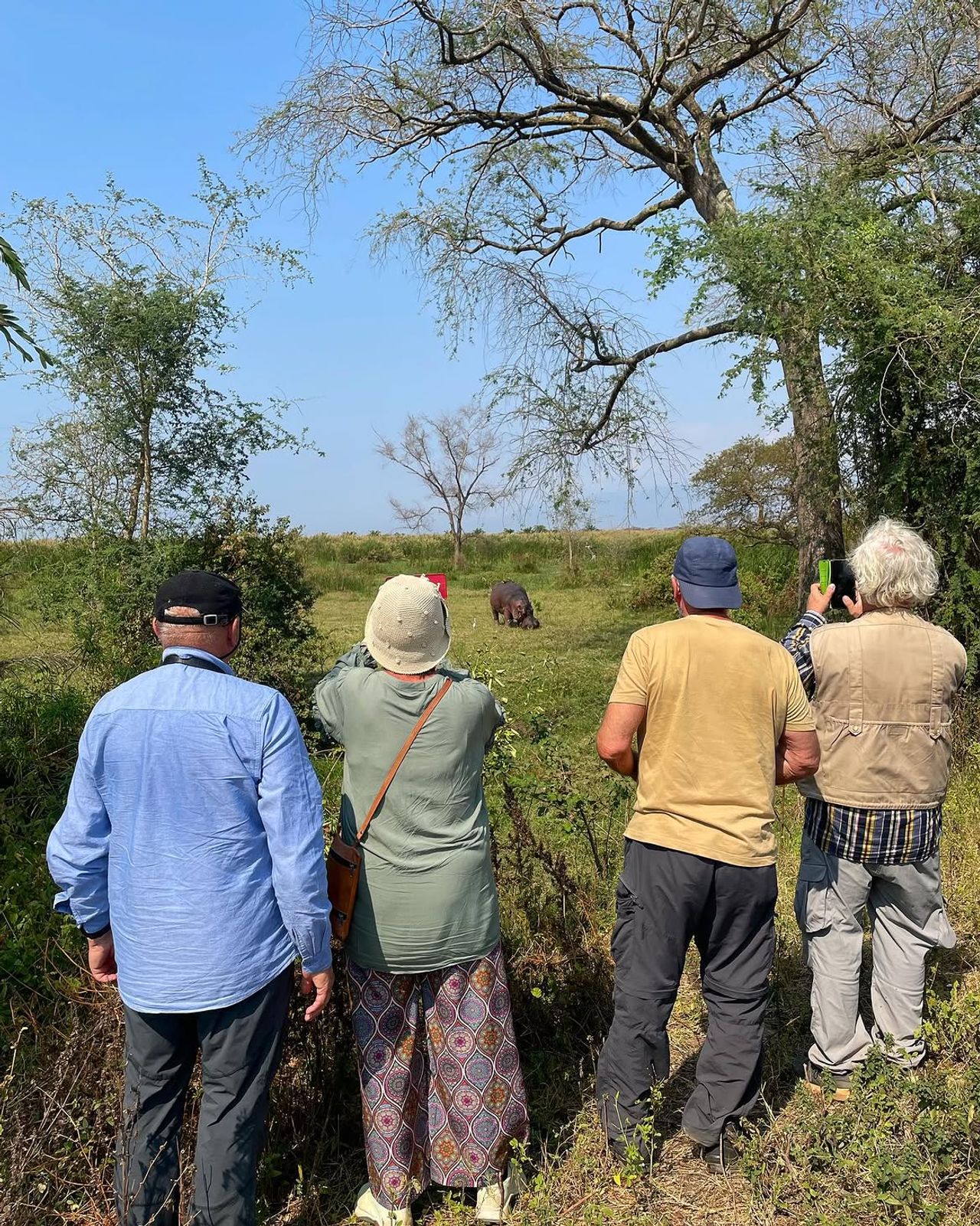
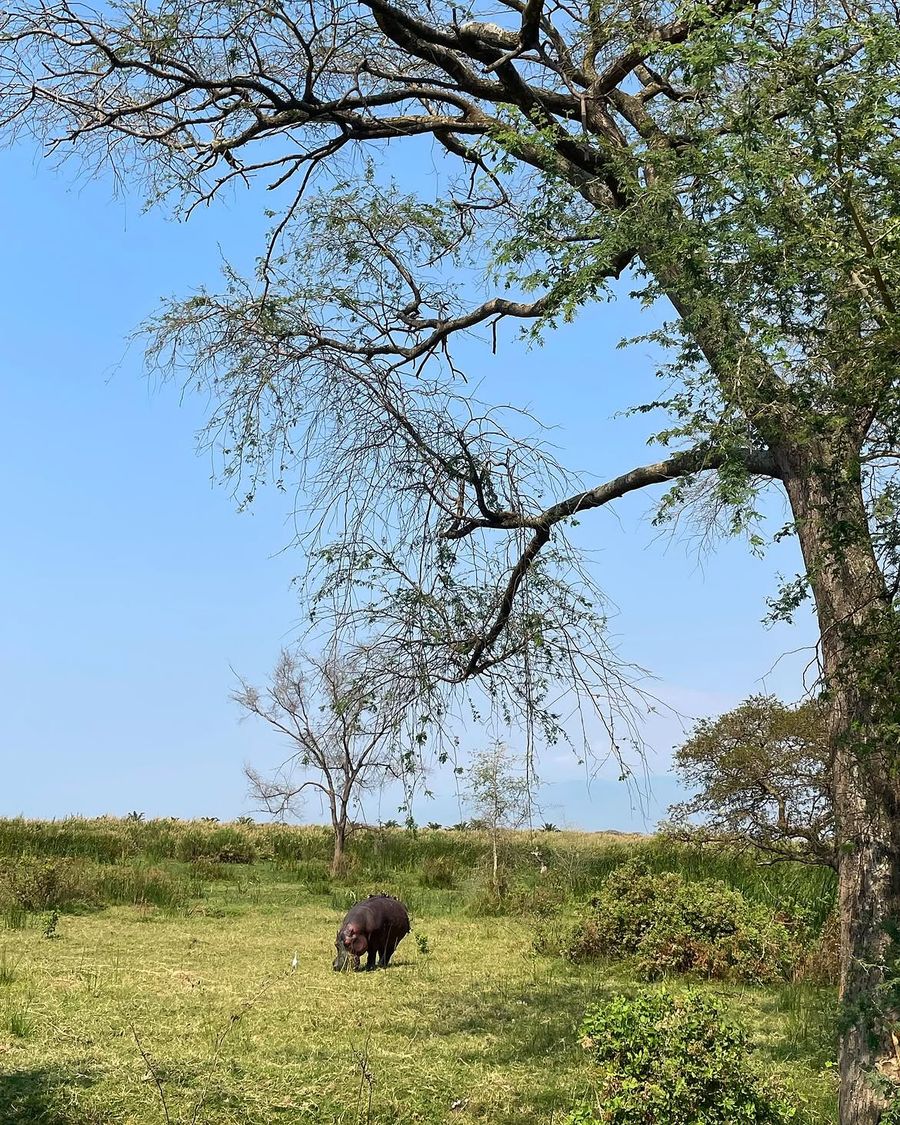
There are few wildlife experiences as memorable as watching a hippopotamus emerge from the water in its natural habitat. In Burundi, Rusizi National Park, near Bujumbura, offers travelers the opportunity to experience these remarkable animals in the wild while exploring one of the country’s most important wetland ecosystems.
Rather than seeing hippos in captivity, visitors can observe them along the waterways and wetlands of Rusizi, where they spend much of their day resting in the water and come closer to the banks at different times of day.
For travelers interested in wildlife, nature, photography, and authentic African experiences, a hippo safari in Burundi offers a fascinating encounter with one of Africa’s most iconic animals.
Where Can You See Hippos in Burundi?
One of the best places to see hippos in Burundi is Rusizi National Park, located just outside Bujumbura.
The park protects an important wetland environment where the Rusizi River and surrounding waterways support a variety of wildlife. During a guided boat excursion, visitors may encounter hippos, Nile crocodiles, waterbirds, and other wetland wildlife.
The boat experience provides a unique perspective. Instead of simply observing wildlife from land, travelers move quietly along the waterways, allowing them to appreciate the landscape and watch animals in an environment where they naturally live.
Hippos in Their Natural Habitat
The hippopotamus (Hippopotamus amphibius) is a semi-aquatic mammal that spends much of its day in water or mud to keep its body cool.
Despite their large size, hippos are well adapted to life in and around water. Their eyes, ears, and nostrils are positioned high on their heads, allowing them to remain mostly submerged while still being able to see, hear, and breathe.
During the hottest part of the day, hippos often remain in the water. As temperatures become cooler, they may become more active and move toward feeding areas.
This makes observing them in their natural environment particularly interesting because their behavior is closely connected to the rhythms of the wetland ecosystem.
What Do Hippos Eat?
Hippos are primarily herbivores. They generally feed on grasses and other vegetation, particularly at night when they leave the water to graze.
Although they spend considerable time in rivers and wetlands, they are not aquatic predators. Their diet is mainly plant-based.
A mature hippopotamus can consume a substantial amount of vegetation during a night of grazing, helping shape the surrounding ecosystem.
Why Do Hippos Spend So Much Time in Water?
Hippos have thick skin that can become vulnerable to drying and overheating under the African sun.
Water provides a natural way for them to regulate their body temperature. They can spend many hours partially or almost completely submerged, emerging periodically to breathe.
Their skin also produces a reddish oily secretion that helps protect it from sunlight and may contribute to preventing excessive drying.
Watching a hippo slowly surface, open its enormous mouth, or disappear beneath the water is one of the unforgettable moments of a wildlife experience.
What Is a Hippo Safari Like?
A typical Rusizi National Park boat safari begins with a guided journey through the park’s waterways.
As the boat moves through the wetland landscape, your guide can help you identify wildlife and explain the ecosystem. Depending on conditions and wildlife activity, travelers may encounter hippos in the water, along the banks, or in areas where they gather.
You may also see:
- Nile crocodiles
- African waterbirds
- Kingfishers
- Herons
- Egrets
- Other wetland bird species
- Diverse aquatic and riverside vegetation
Wildlife sightings are never guaranteed because animals are free to move through their natural environment. That unpredictability is part of what makes a genuine wildlife experience so special.
The Best Time to See Hippos
Hippos can be encountered throughout the year, but wildlife activity can vary depending on water levels, weather, season, and time of day.
For travelers specifically interested in hippos, an early-morning excursion can be an excellent choice. Morning conditions are generally cooler, and the experience can offer beautiful light for photography while giving visitors an opportunity to observe wildlife before the heat of the day increases.
Your local guide can also help determine the best approach based on current conditions.
Why Seeing Hippos in the Wild Is Special
Seeing a hippopotamus in a zoo or controlled environment is very different from encountering one in the wild.
In their natural habitat, hippos behave according to their own rhythms. They choose where to rest, when to surface, when to move, and when to leave the water.
There is no guarantee that a particular animal will appear exactly when you expect it.
That uncertainty makes the experience authentic.
You might be quietly watching the river when a hippo suddenly surfaces nearby. You may hear a deep call before seeing the animal. Or you may watch several hippos resting together in the water while birds move along the surrounding vegetation.
These spontaneous moments are often what travelers remember most.
Responsible Wildlife Viewing
Wildlife tourism should always prioritize the safety and well-being of both visitors and animals.
When visiting hippo habitats:
- Keep a safe distance from wildlife.
- Follow your guide’s instructions at all times.
- Avoid loud or sudden movements near animals.
- Never attempt to feed or attract a hippo.
- Do not enter the water in areas occupied by hippos.
- Avoid disturbing animals for photographs.
- Use experienced local guides who understand the environment and animal behavior.
- Leave no litter behind.
Hippos may appear calm, but they are powerful wild animals and should always be treated with respect.
A Wildlife Experience Close to Bujumbura
One of the advantages of visiting Rusizi National Park is its proximity to Bujumbura, making it possible to combine a wildlife excursion with other experiences in and around the city.
Travelers can begin their day with a guided trip to Rusizi National Park and return to Bujumbura afterward for additional sightseeing, relaxation, or an evening by Lake Tanganyika.
For visitors with limited time in Burundi, this makes a Rusizi hippo safari an attractive addition to a short itinerary.
Experience Hippos in Burundi with Greenhills Tours
At Greenhills Tours, we believe that exploring Burundi is about more than simply visiting destinations. It is about experiencing the country’s landscapes, wildlife, people, and culture with knowledgeable local guidance.
Our private Rusizi National Park excursions are designed for travelers who want a more personal and flexible wildlife experience.
Depending on your itinerary, we can arrange:
- Private transportation from Bujumbura
- Experienced local guide
- Rusizi National Park visit
- Guided boat excursion
- Wildlife and birdwatching opportunities
- Flexible departure times
- Return transportation to Bujumbura
Whether you are a wildlife enthusiast, photographer, first-time visitor to Burundi, or simply looking for an unforgettable experience outside the city, Rusizi offers a chance to discover Burundi’s wildlife in its natural environment.
Ready to See Hippos in the Wild?
Add a Rusizi National Park hippo safari to your Burundi itinerary and experience these incredible animals where they belong — in the wild.
Greenhills Tours Burundi
Discover Burundi, Your Way.
Contact us to plan your private wildlife experience in Burundi.