When to Visit Burundi: A Season-by-Season Guide
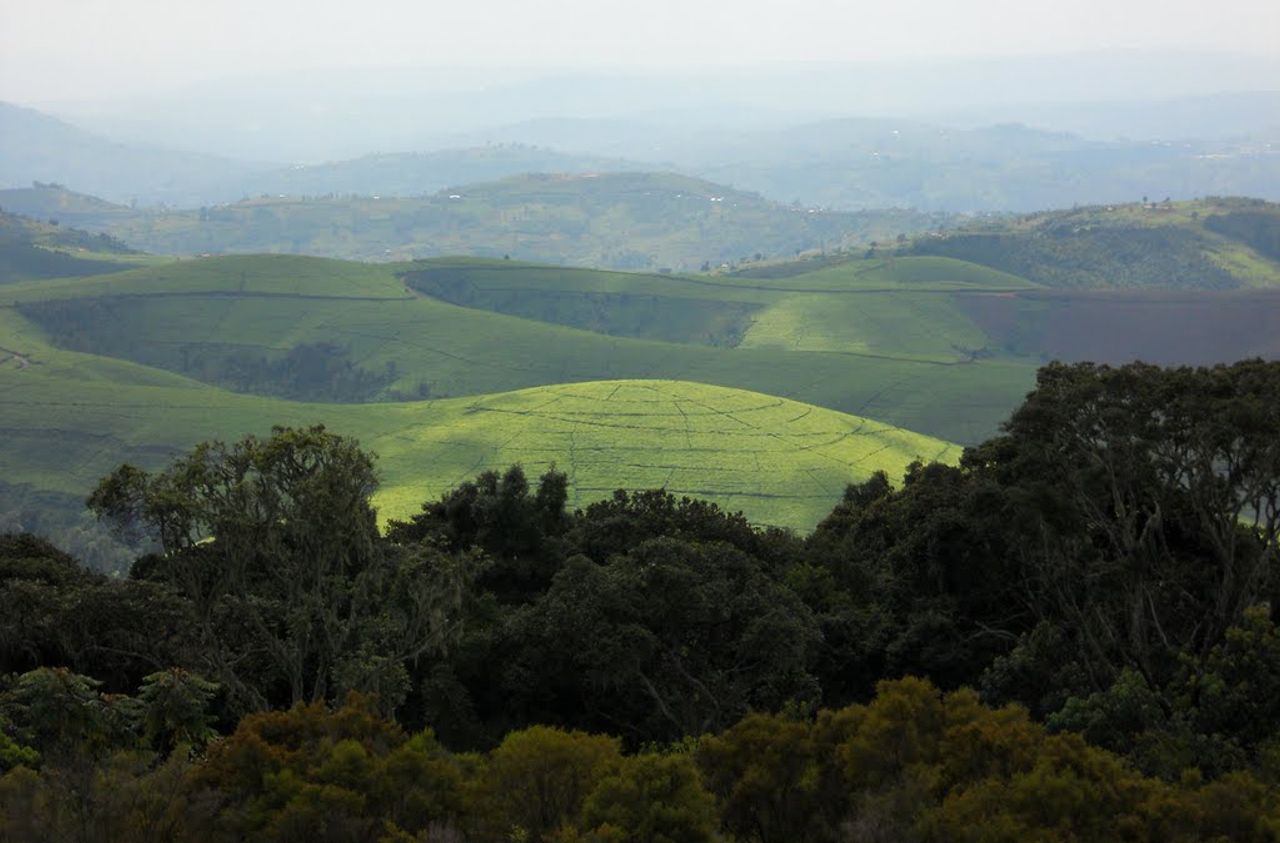
Burundi sits just south of the equator at altitude, giving it a mild, spring-like climate year-round. But timing still matters — and the country's two dry seasons are when its trails, roads, and outdoor experiences are at their very best.
The Two Dry Seasons
The best times to visit are the dry seasons: June to August, and December to January. During these months rainfall is low, skies are clear, and roads stay in good condition — making travel easier and more reliable.
June through August brings cool south-easterly breezes and plenty of sunshine, ideal for hiking, wildlife viewing, and cultural tours across the country.
What Each Season Offers
The dry months are prime time for Kibira forest hikes, Mount Heha treks, and Rusizi wildlife safaris, when trails are firm and visibility is high. Lake Tanganyika is glorious year-round, but calmest and clearest in the dry season.
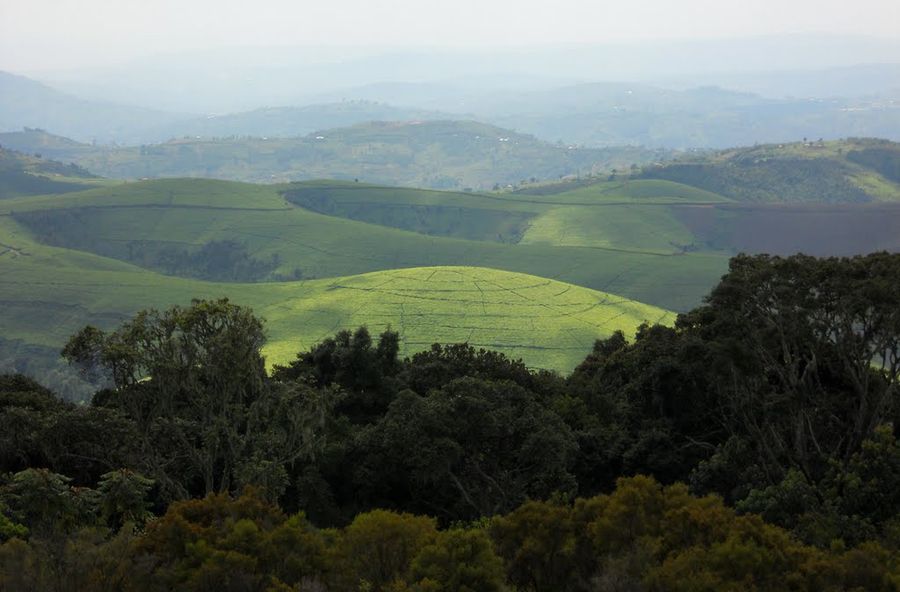
The wetter months bring lush, photogenic landscapes and fewer visitors — a fine trade-off if you don't mind afternoon showers and are focused on lakeside and city experiences.
Plan Around the Culture
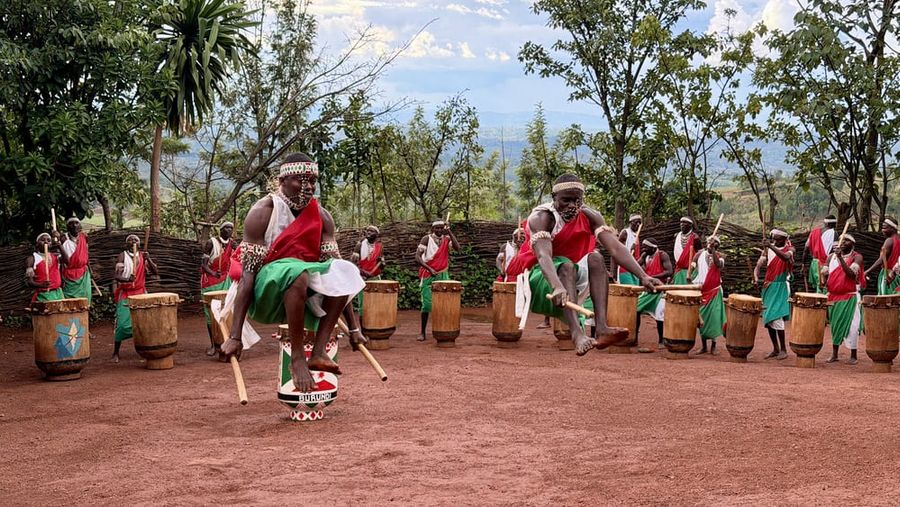
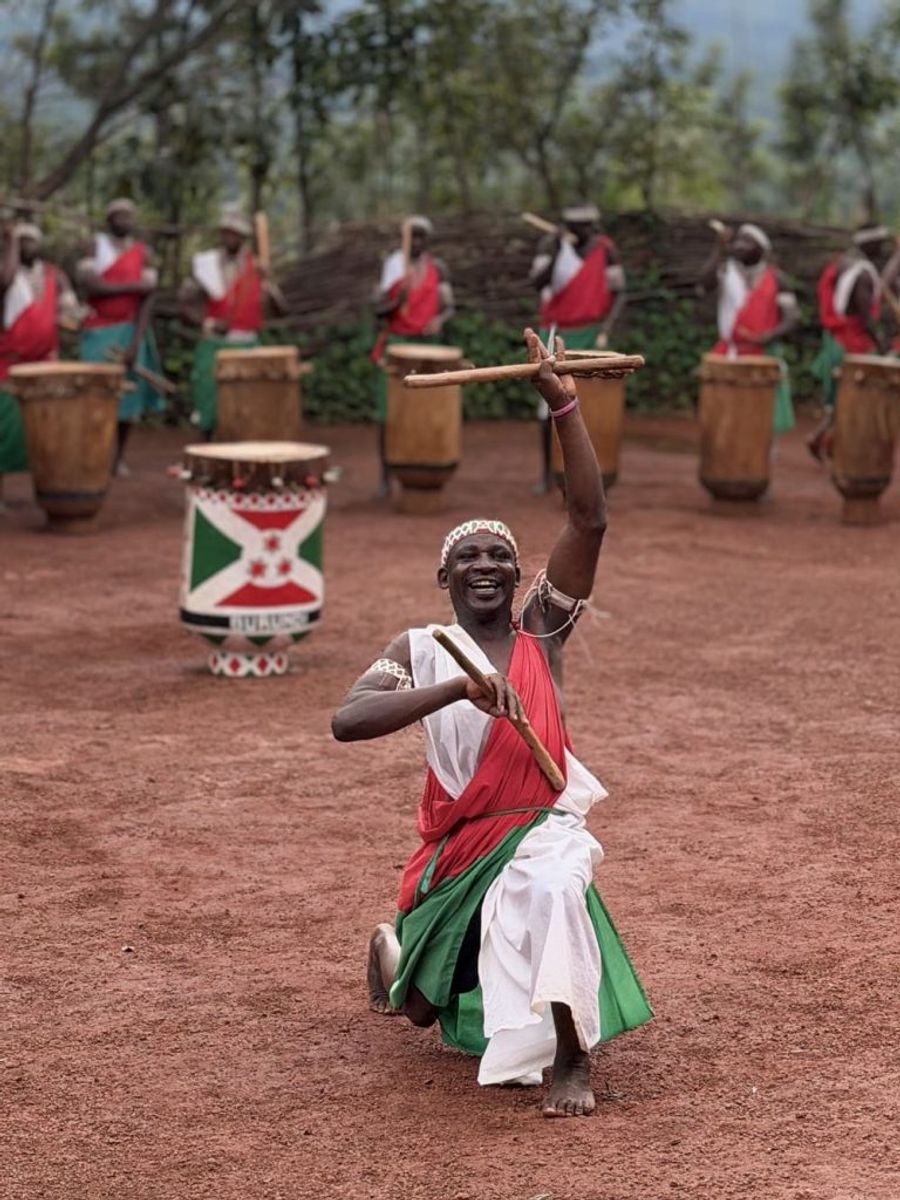
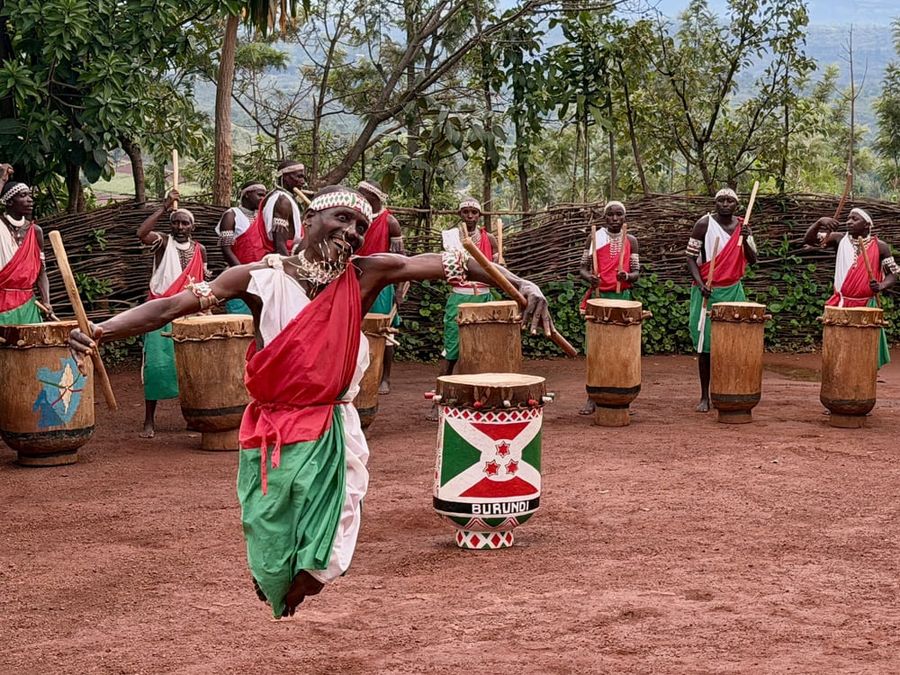
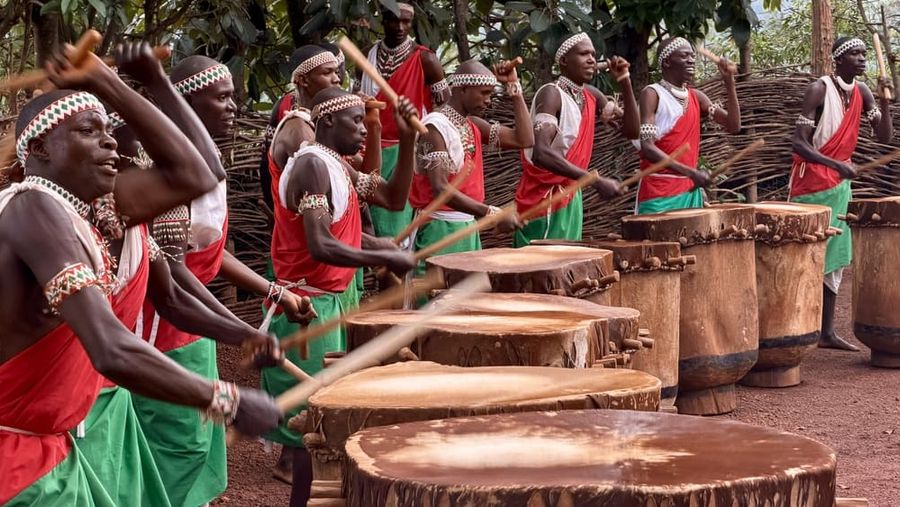
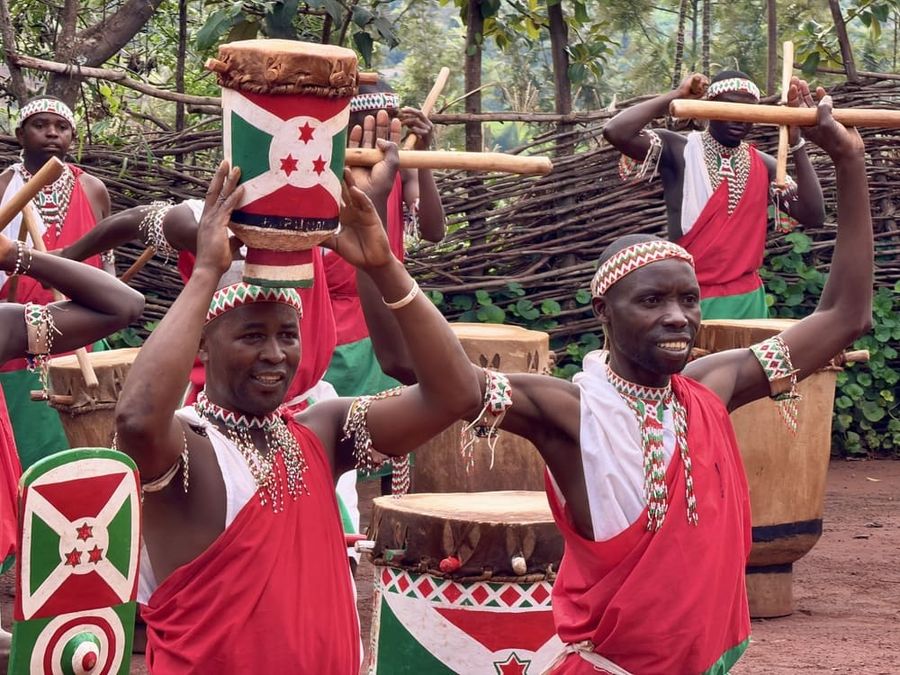
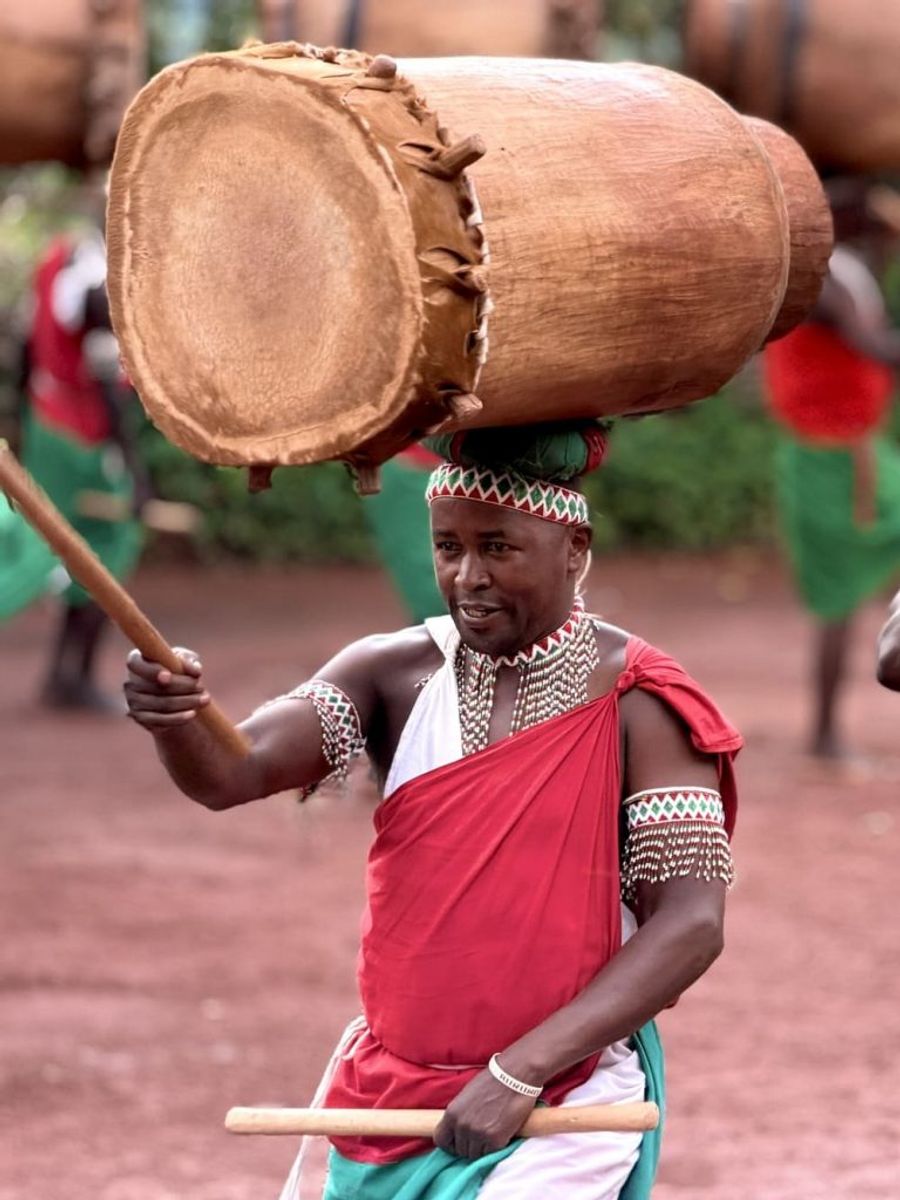
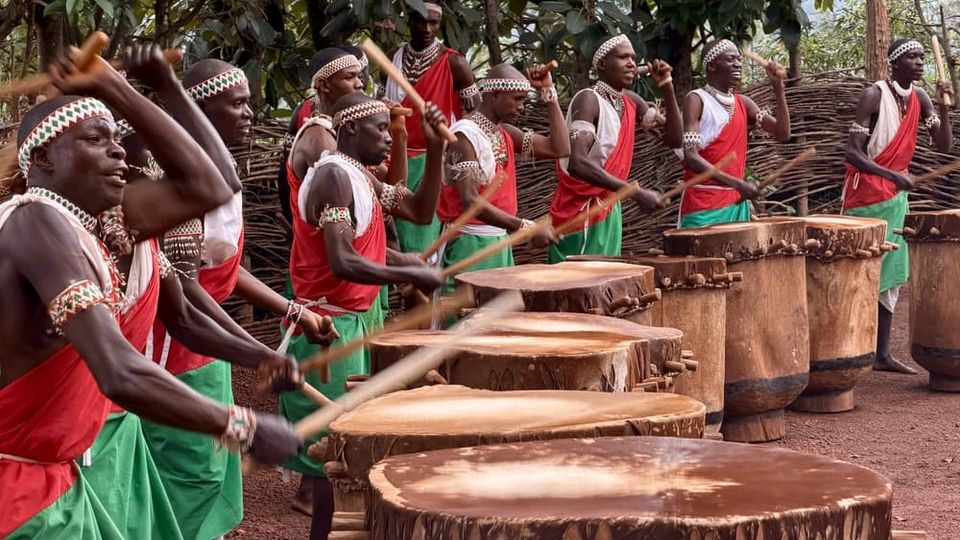
Time your trip with the calendar in mind: the Umuganuro harvest festival falls in August, and Bujumbura hosts the UNESCO-listed International Drum Festival in October.
Whenever you come, book visas early and build in buffer days for spontaneous detours — a village ceremony or a lakeside sunset is often the moment you remember most.